
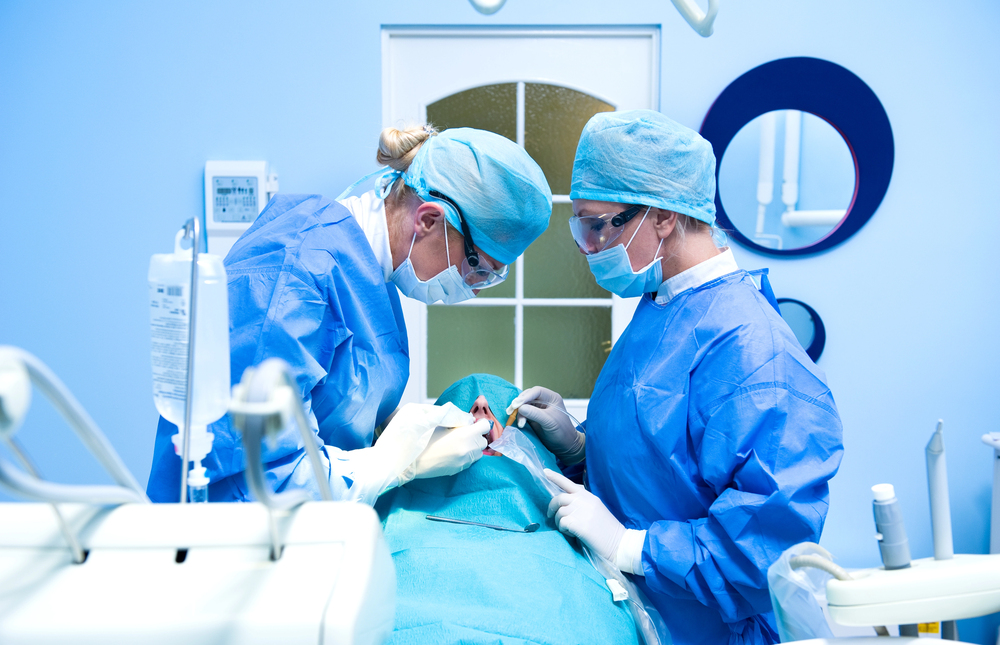
The dental landscape is undergoing a massive digital transformation, turning high-stress emergency visits into streamlined, precise, and highly efficient medical experiences. For decades, urgent dental care relied heavily on reactive treatments—resolving intense pain or treating advanced infections after they had already caused significant structural damage. Today, the integration of artificial intelligence, advanced imaging, and rapid-response infrastructure is completely reshaping how modern clinics handle acute oral health crises, ensuring patients receive targeted clinical interventions exactly when they need them most.
Next-Generation Diagnostics in Urgent Care
The days of waiting hours for standard film development or guessing the exact depth of an internal vertical root fracture are quickly disappearing. Modern emergency clinics are rapidly adopting three-dimensional Cone Beam Computed Tomography (CBCT) alongside ultra-low-dose digital X-rays. These advanced tools allow clinicians to map a patient’s complex maxillofacial structure within seconds, exposing hidden bone abscesses or micro-fractures that traditional two-dimensional films frequently miss entirely.
Furthermore, artificial intelligence diagnostics are now acting as a permanent secondary set of eyes for busy on-call practitioners. Highly trained AI algorithms can instantly scan digital radiographs to flag subtle bone loss, root resorption, or early-stage infections. This rapid pinpointing of pathology drastically reduces diagnostic blind spots, allowing emergency dental teams to establish an accurate, highly effective treatment plan within minutes of a patient stepping through the door.
The Role of Teledentistry and Remote Triaging
True emergency care begins long before a patient physically arrives at the clinic. Telehealth platforms specifically designed for oral health have completely revolutionized the initial assessment phase. When an individual experiences sudden facial trauma, a dislodged crown, or severe swelling over a weekend, a virtual consultation allows a clinician to visually inspect the problem area via high-definition video feeds.
Through this digital front door, practitioners can accurately determine whether a situation requires immediate, middle-of-the-night intervention or if it can be safely managed with prescription analgesics until the following morning. This modern approach keeps hospital emergency departments clear of non-traumatic dental cases, preserving vital medical resources while directing individuals to appropriate specialised care channels without any unnecessary delays.
Preventing Long-Term Oral Health Complications
When dealing with an acute oral health crisis, time is always the ultimate deciding factor between saving or losing a natural tooth structure. For instance, an avulsed (knocked-out) tooth has a highly optimal prognosis if it is successfully replanted within a clean thirty-to-sixty-minute window. Beyond this critical timeframe, the delicate periodontal ligament cells begin to die rapidly, significantly decreasing the chances of a successful long-term replantation.
Understanding why fast access to an emergency dentist can help prevent serious dental complications highlights the critical nature of immediate clinical attention. Swift intervention stops localized bacterial infections from spreading into the deeper fascial spaces of the face and neck, which can eventually lead to systemic health emergencies. Rapidly stabilizing a fractured tooth also protects the internal nerve tissue from bacterial contamination, frequently preventing the subsequent need for complex root canal therapies or total extractions.
Smarter Materials and In-Clinic Automation
Smarter technology is also fundamentally altering the physical treatments performed during urgent visits. Computer-Aided Design and Manufacturing (CAD/CAM) workflows mean that broken or structurally compromised teeth no longer require temporary, ill-fitting acrylic crowns. Instead, intraoral scanners capture a precise digital impression of the mouth, and an on-site milling machine carves a permanent, highly durable ceramic restoration in under an hour.
Additionally, biocompatible materials like bioactive ceramics and smart composites are being utilized to treat deep decay and exposed pulps during emergency interventions. These advanced materials actively release essential minerals such as calcium and phosphate, stimulating the tooth’s natural dentine to heal itself while forming an airtight seal against invading bacteria. The result is a highly reliable, definitive treatment completed in a fraction of the time historic methods required.
The Shift Toward Round-the-Clock Accessibility
As modern lifestyles diversify and non-traditional working hours become the absolute norm, the standard nine-to-five dental model is proving highly insufficient for unpredictable medical crises. Dental pain does not adhere to a convenient schedule, and severe toothaches frequently intensify during the late-night hours when distracting daily activities cease.
The dental industry is actively responding to this shift by establishing dedicated, fully equipped facilities capable of managing traumatic injuries, severe haemorrhaging, and acute infections at any hour. This growing structural framework ensures patients no longer have to endure agonizing pain until regular business hours resume, highlighting the profound cultural shift toward accessible 24/7 dental care within the local healthcare ecosystem. By combining around-the-clock availability with sophisticated diagnostic tools, the future of urgent dentistry promises a safer, faster, and far more comfortable patient journey.